Table of Contents
- The Land That Cooks Its Own Food
- Religious Faiths
- The Ram Temple and the Hindu Presence
- Gurudwara Sahib: Faith Made Tangible
- Things to Do in Manikaran
- Where to Stay in Manikaran
- How to reach Manikaran
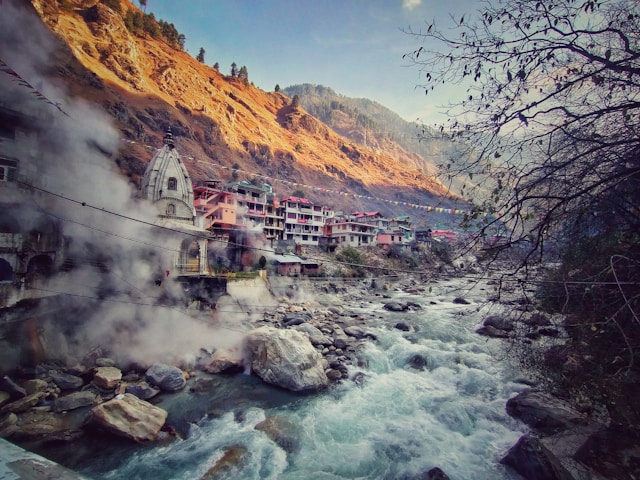
A small Himalayan village, Manikaran, is located at an altitude of around 1760 meters. Surrounded by mountains, with the river roaring and the sharp scent of natural hot water, this is what a typical day in Manikaran feels like. I still remember the days when I, at a very young age, used to observe the people dipping and swimming in the big hot water pool (Kund). I remember how I almost fainted after staying in the hot water pool for too long. Memories fade as we grow up but Manikaran still is a tourist attraction even after years. The major attractions of the place are natural hot water springs, a huge Gurudwara, a Lord Shiva temple, and a big Ram Mandir. Manikaran is a perfect blend of Hinduism and Sikhism. People from both religions have been living here together for so many years, respecting each other’s faiths and beliefs.
The Land That Cooks Its Own Food
As a child, I was terrified of hot springs because of the immense steam coming out of them. There are special places made where people can observe the boiling water from a safe distance. This place is different from that of a swimming pool that has moderately hot water. The place where the boiling hot water bubbles up is the place where food is cooked for the langer in Gurudwara. It is on the premises of the Lord Shiva temple, just beside the Gurudwara. The sacred langar, the community kitchen of Gurudwara Manikaran, uses boiling natural spring water to cook rice, dal, and vegetables for the thousands of pilgrims every single day. It is just awesome to see how the food is cooked. People experience this by bobbing down the raw rice and vegetables and seeing them cook.
Religious Faiths
The Ram Mandir and the Gurudwara are the heart and the soul of Manikaran. What makes this place special is its balance. On one side stands the grand Ram Mandir, a symbol of Hindu faith. On the other, the majestic Gurudwara shares the teachings of the Guru. Both religions have different stories of the natural hot water springs here. In Hindu belief, Lord Shiva and Mata Parvati are said to have discovered this place during their travels. Mata Parvati lost her mani (jewelled earring) in the river. When Shiva’s attendants failed to find the mani, he became angry. Shiva opened his third eye in anger, causing a disturbance that led to the serpent god Sheshnag creating the boiling water, which returned the mani. That is how the place came to be known as Manikaran. On the other hand, in Sikhism, it is believed that Guru Nanak visited this valley during his travels and performed a miracle here. Both the legends show the deep faith of devotees in their respective religions. Devotees from all over India come to visit this beautiful place and see the wonder.
The Ram Temple and the Hindu Presence
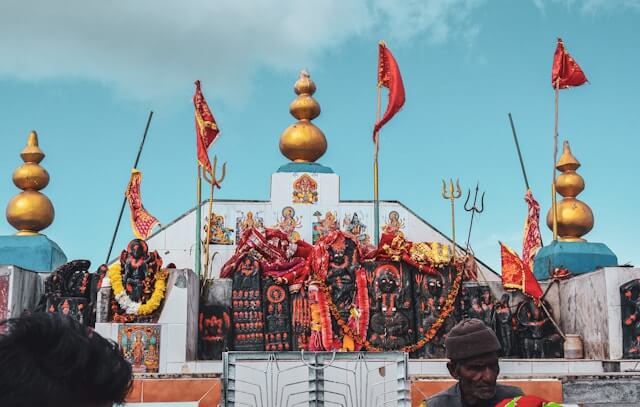
Manikaran is a small place, and every significant place is present nearby. Ram Mandir is at the heart of the town. The temple is a striking reminder that this land had been sacred to Hindus long before it became significant to Sikhs. The temple is dedicated to Lord Rama, and it has beautiful architecture. The temple is largely made of wood, and the carved wooden work makes it typical of Kullvi-style architecture. All of us are aware of the grand Kullu Dusshera, but not many know that Dusshera is celebrated with great pomp and show in Manikaran also. It is celebrated as the event of bringing the Lord Raghunath idol to the valley in the 17th century. The festival begins with the Rath Yatra, where people gather to pull the chariot of Lord Rama in the same way as is done in Kullu. Rasleela is a unique highlight of the Manikaran Dusshera festival. The dance features the local kids (only boys) dressed as gopis, and there is one person performing as Kanha (Lord Krishna). The celebration happens outside Ram Mandir every evening during Dusshera. There are other dance and singing performances by the artists.
Gurudwara Sahib: Faith Made Tangible
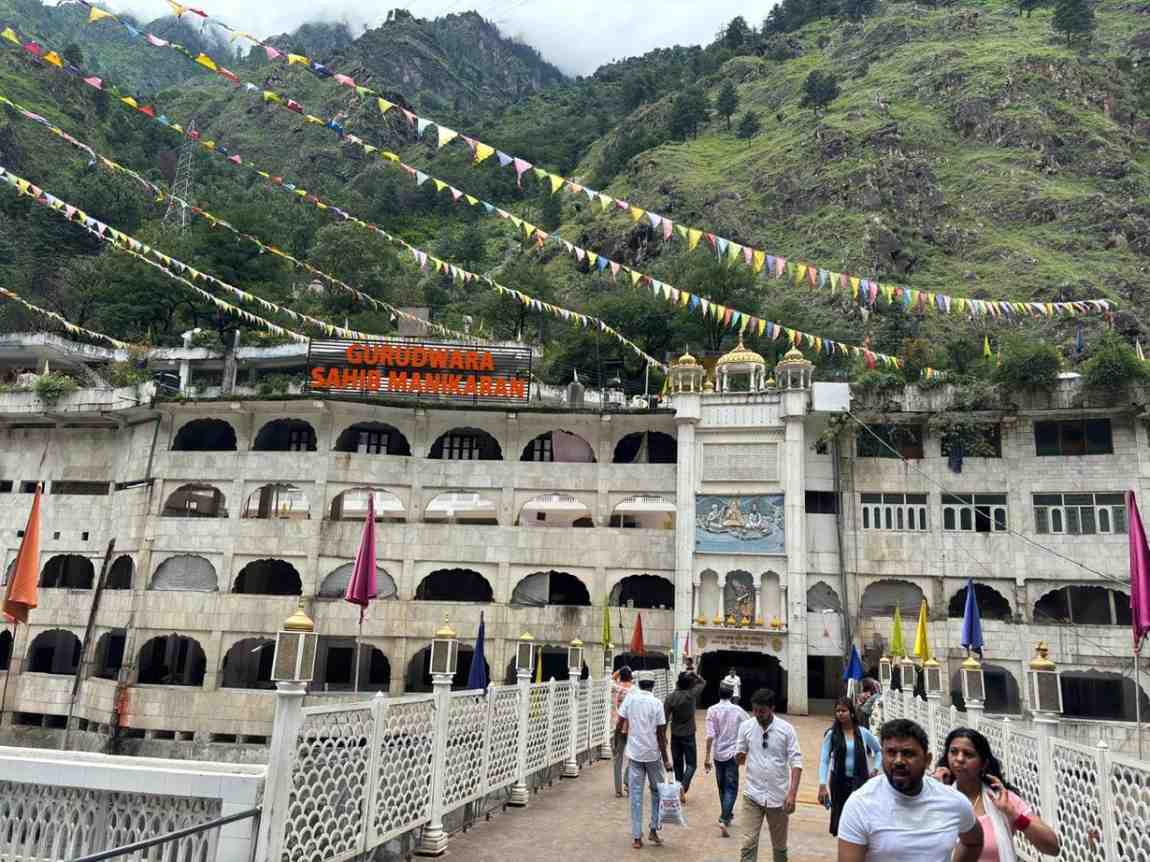
The Gurudwara is the soul of Manikaran and one of the most significant Sikh pilgrimage sites in the world. The story connected to this place goes back to the time of Guru Nanak Dev Ji, the founder of Sikhism. It is said that Guru Nanak visited this valley during his travels and performed a miracle here, one involving the return of food offerings swept away by the river, brought back by the earth’s springs. Whether you hold this story as literal truth or beautiful metaphor, it has drawn Sikh devotees here for decades.
The Gurudwara itself is a white-and-gold structure that gleams against the grey-green mountainside with almost surreal beauty. Inside, the atmosphere is one of quiet devotion and remarkable inclusivity; it doesn’t matter who you are or where you come from, you are welcomed, fed, and given a place to rest. People from every class and status share the same floor where the langar is served. That image, more than any scenic vista, is what I think of when I think of Manikaran.
Things to Do in Manikaran
Manikaran offers a rich experience for visitors. From taking a holy dip in the natural hot springs to visiting the temples and the Gurudwara, there’s something for everyone. You can walk along the Parvati River, explore the local markets, enjoy simple meals at the langar, or just sit quietly and take in the peaceful mountain setting.
Take a dip in the hot springs. Separate bathing pools can be found throughout Manikaran. There are hot water pools at the Gurudwara, at Ram Mandir, and another in the market area near Naina Mata Temple. Almost every household has private baths where hot and cold water are mixed to create a comfortable temperature. The experience is truly enriching.
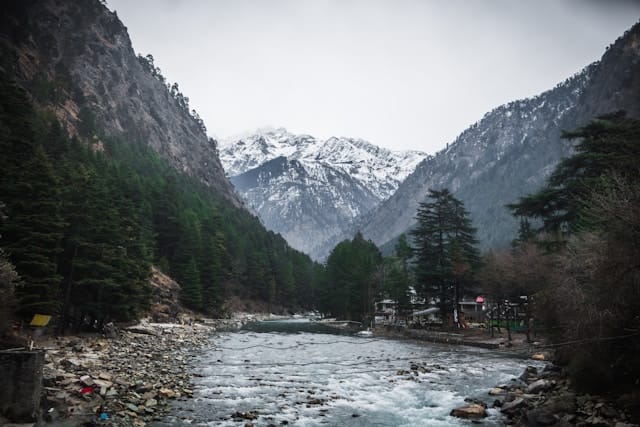
Walk along the Parvati River. The Parvati River is the main river in this valley; hence the name Parvati Valley. Walking along the banks of the river is a pleasant experience. The river is so beautiful that you can’t help but stop and take a few photos by the water. But be careful! Keep a safe distance from the river. It can be dangerous to go very near the water. Unfortunately, there have been a few incidents where people tried to take photos from the rocks by the river and accidentally slipped into the water. So, be very, very careful!!
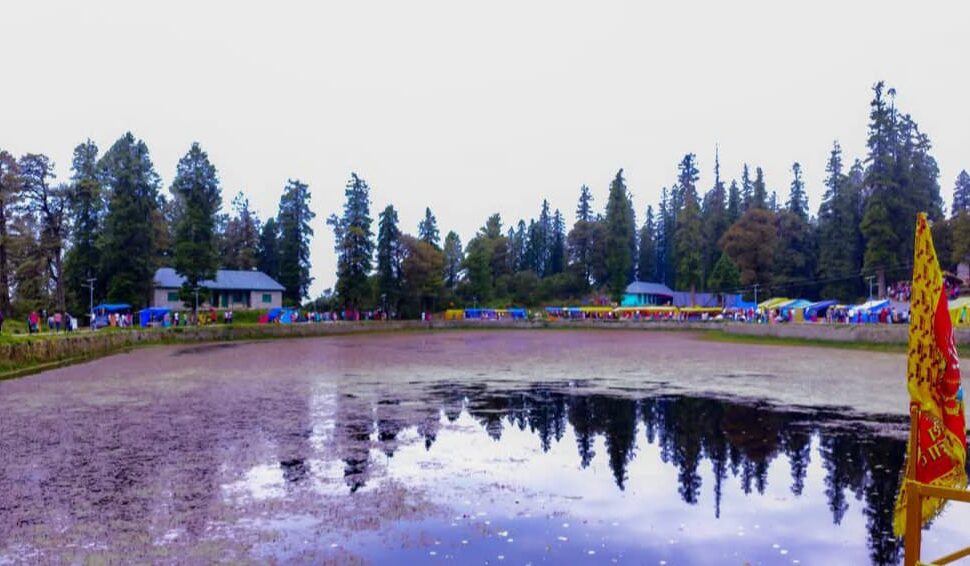
Trek toward Kheer Ganga. If you have stronger legs and more time, you can choose to trek. There is a beautiful trail to Kheer Ganga, a natural hot water spring at high altitude. It is a famous trek for adventure lovers. Kheer Ganga has cultural significance too. A few chosen locals trek to Kheer Ganga to collect the sacred spring water. It is then used to perform sacred yajnas and purify the surroundings. So it should be an utmost priority for adventure trekkers to keep the place free from any litter.
Shop mindfully. The small market has stalls selling Tibetan jewellery, woollen shawls, and wooden handicrafts. Prices are reasonable, and the shawls, especially those in the natural undyed wool, are genuinely warm and long-lasting. There are shops where you can get customized keychains made, with your name engraved on a grain of rice.
Where to Stay in Manikaran
1. Budget Guesthouses & Local Homestays. There are plenty of homestays and guest houses available throughout the year. However, if you’re visiting during the peak season, especially in May and June, it’s best to book in advance to avoid last-minute hassle.
2. Gurudwara Sarai (Free Accommodation). The Gurudwara offers free lodging for pilgrims and travellers. The rooms are basic but neat and clean. Sarai at Gurudwara is a great choice for budget and solo travellers, and those seeking an immersive spiritual experience.
3. Ram Mandir Sarai. The Ram Mandir Committee also provides accommodation within its premises. They charge a nominal fee, and the stay is well worth the price.
4. Mid-Range Hotels. There are a handful of decent hotels in and around Manikaran offering river-facing rooms.
5. Kasol as a Base (4 km away). Since Kasol has more accommodation options and a livelier café scene, many tourists stay there and day-trip to Manikaran. Many tourists day-trip from Manali also.
Things to Keep in Mind. Avoid staying too close to the river during monsoon. And most places are simple—don’t expect luxury.
How to reach Manikaran
Bhunter is the main connecting point, and almost everyone has to reach here before continuing on to Manikaran. Bhunter has the nearest airport connected to Delhi and Chandigarh. The nearest major railhead is Joginder Nagar, though most visitors come via Chandigarh or Shimla by road. If you’re coming from Manali, you’ll still need to reach Bhunter first, and from here, take a turn onto the road that leads to Manikaran.
Manikaran is about 35 km from Bhunter. Buses and taxis run regularly from Kullu and Bhunter. The road follows the Parvati River all the way up and is scenic even in its rougher stretches. However, if you’re planning a full trip to Manali or anywhere in Himachal and would like to include Manikaran as a stop along the way, feel free to get in touch with us.
The best time to visit is May to June or September to early November. Winters are cold, and snowfall can cut off the valley, though the hot springs make even a winter visit magical for the brave.
Manikaran has been cooking food in hot waters for longer than anyone can remember. It has been welcoming the broken and the curious, the devout and the wandering, for centuries. I have seen the steam rise off the river on cold mornings when the whole valley is still asleep.
Come. Eat. Bathe. Pray or don’t pray. But come with an open heart. The earth here is warm, and so are its people.